


Urinary tract cystitis 10 is a bladder disease that affects both women and men.In the medical history (anamnesis), do doctors write the diagnosis using the abbreviation ICD 10?What does the encryption of a disease of the genitourinary system contain and what is its importance?

The information in the article will provide an invaluable service to those who have been registered with urologists for a long time.
Description
First, let's pay attention to the three-letter name.Initial letters indicate the following - International Classification of Diseases (catalogue), in which the number indicates the code of a specific pathology.All scientifically described diseases are listed and numbered.
Thanks to the abbreviated alphabetic and numerical writing, specialists in a certain field of medicine quickly navigate the catalog of diseases.Under numbers or, more precisely, codes, starting from 10 to 30: cystitis, its clinical pathogenesis, including different types, are described.
reason
The treatment of urological destruction: the urinary channels, the cervical canal, the bladder itself predetermines a responsible, serious attitude on the part of the patients.Especially the types of cystitis: acute, moderate and indolent.The latter is fraught with the fact that in the untreated form it takes a chronic form that is difficult to cure.According to the ICD, it is assigned no. 10.
An amateur treatment method is dangerous and does not take into account the underlying factor - what causes cystitis ICD 10?Clinicians cite a number of reasons:
- malignant viral and bacterial microflora - Escherichia coli, staphylococcus, streptococcus aureus, salmonella;
- cold category: consequences of flu, ARVI, hypothermia;
- independently cured, but not completely cured, venereal formations of chlamydia, candidiasis, gonorrhea;
- urethritis, as a concomitant characteristic of pyelonephritis;
- defeat by a group of fungi - vaginal mycoses (thrush), colpitis, ureaplasmosis.
Infected people, not knowing the exact cause of the disease: with urination, sharp spasms, pain in the lower groin, take all medications in a row.Thus, the "forwarding" of the pathogenic layer of infection to the distant corners of the lower sector of the abdominal cavity.Layers of toxins accumulate in multiple folds of the mucous surface of the internal organs.They fall into "anabiosis", freeze and wait for favorable activation conditions for them: repeated relapses of the aforementioned diseases.
Self-medication is strictly prohibited.It does not guarantee that the patient, with his own efforts, without professional help, will get rid of the painful problem forever.Herbal decoctions, pharmaceutical powders and tablets, on the advice of friends, will temporarily relieve the symptoms of an irritation, but will not cure.

Only a complete laboratory test will determine the root cause of ICD 10 cystitis.
Symptoms
In addition to the chronic phase of cystitis, included in the ICD under no.10, the list contains others that follow it.With initial, general signs of destruction of the bladder: the appearance of additional, more severe ones, indicates that cystitis has taken an acute form.In the ICD, along with code 10, there is an explanation - No. 30.
The symptoms are extremely painful, pronounced:
- Unbearable desire to urinate.It is scanty, in terms of the amount of urine that comes out, but is accompanied by cramps, contractions and figurative pain.
- Efforts on the smooth muscles of the bladder (spasm) force a person to squeeze urine and push, which provokes the swelling of hemorrhoids.
- The temperature rises.Appear: chills, fever, joint pain.The picture resembles a cold.
- He shoots a "lumbago" in the lower back, in the area of the sacrum and coccyx.The pain radiates to the perineum and anus.It is difficult to bend and sit because of the feeling of heaviness in the lower abdomen.
- Then, urine leakage and complete incontinence are recorded.Patients cannot tolerate stimulation, which confirms the dysfunction of the urinary sphincter.
- A clinical blood test contains a high percentage of leukocytes.Urine is cloudy, with flakes, sediment, dark beer color.
This condition clearly confirms the diagnosis - acute cystitis ICD 10, classification code 30.
Along with the first, with which readers are familiar, hemorrhagic cystitis ICD 10 causes great concern and concern.It differs in that, having the inherent properties of the previous ones, it manifests itself in microhemorrhages of small and large vessels.Red streaks of blood and venous clots appear in the urine and feces as evidence of hematuria.This is a pathogenic condition of the epidermal layer of the inner mucosa of the urinary organ.
Under the influence of destructive reactions, necrosis of the urothelium (membrane, wall of the bladder) occurs: cystitis progresses to the hemorrhagic format of ICD 10.
Preventive measures
Is it possible to avoid an unpleasant, painful phenomenon with the bladder?- I can.Do not forget and always remember simple, correct tips and recommendations:
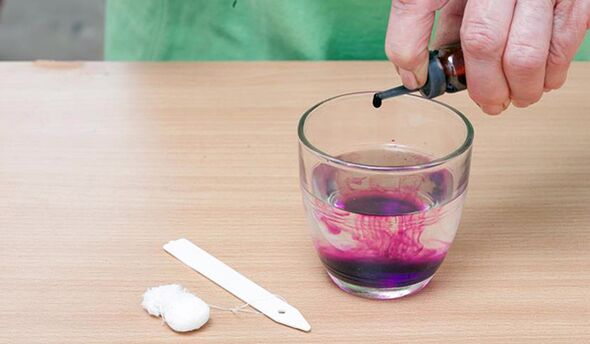
- maintain personal hygiene, wash yourself with disinfectant solutions every evening before going to bed: weak potassium permanganate, pink;
- do not wear panties that you immediately bought in a store;
- Use contraceptives during intimacy.They will not only "protect" from unwanted pregnancy, but also prevent sexually transmitted infections;
- do not sit on stones, cold slabs, stones;
- do not swim in a polluted pond near a sewer.
Notes are easy to understand and follow.By sticking to yourself, instill and cultivate purity in your children: health is given as a gift, but must be protected.Signs of a bladder "problem" that may seem minor at first glance should be discussed with your local urologist.
Know!Prevention of ICD 10 cystitis is much easier than its cure.Timely and early detection of the pathology will greatly increase the chances of a complete and irreversible cure.